How Do Pilots Go From a Small Trainer to Flying Jets?

A new super midsize business jet was just delivered to a big fleet operator this month, and it is a genuinely impressive machine. Fast, comfortable, packed with automation. But here is the part that never makes the headline: the two people flying it did not learn to fly in that jet.
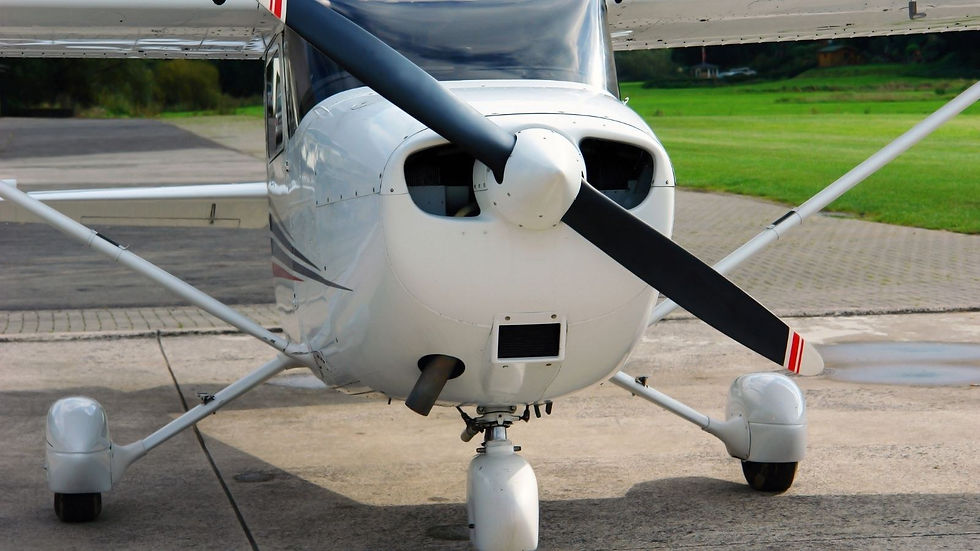
They learned the same way everyone does. In a small airplane, on a quiet weekday morning, with an instructor beside them explaining what the rudder pedals do. Maybe at an airport a lot like Smyrna.
If you have ever looked up at something sleek and fast and thought "that will never be me," we want to walk you through how it actually works. Because the path is real, it is walkable, and it starts smaller and more humbly than most people imagine.
Do jet pilots really start in little airplanes?
Yes. Almost without exception.
There is no shortcut that drops you into a turbine cockpit on day one. The airplane changes as you go, but the foundation is built early, in aircraft that forgive your mistakes and give you time to think. A two or four seat trainer flying at a relaxed pace over the Tennessee countryside is where you learn the things that never stop mattering: how to hold an altitude, how to talk on the radio, how to read weather, how to make a decision and own it.
The airplane gets more capable over time. The pilot gets more capable first.
The fancy avionics in that new jet are doing the same fundamental job as the instruments in a training airplane. They tell you how high you are, how fast you are going, which way you are pointed, and where the weather is. Learn to fly a basic panel well and you are learning to fly all of them.
What is the very first step?
The first step is smaller than a certificate. It is a single flight.
Most people start with a discovery flight, which is exactly what it sounds like. You come out to the airport, you do a real preflight walkaround with an instructor, you climb in, and you fly. You will actually put your hands on the controls. For a lot of folks that is the moment the whole thing stops feeling impossible and starts feeling like something they could really do.
From there, if you decide to keep going, you begin working toward your private pilot certificate. That is the foundation certificate that everything else is built on, whether you want to fly for fun on weekends or eventually sit in the left seat of an airliner.
What ratings come after the private certificate?
Think of it like adding tools to a toolbox. Each rating or certificate builds on the last one and expands what you are allowed and equipped to do.
The instrument rating
This is the one that teaches you to fly by reference to your instruments alone, in the clouds, without seeing the ground or the horizon. It sharpens your precision more than anything else you will do, and it is a genuine safety multiplier. Middle Tennessee gives you plenty of real weather to learn from, which is a gift disguised as a challenge.
The commercial certificate
This is the one that says you can be paid to fly. The maneuvers get more precise and the standards tighten up. It is where flying starts becoming a profession rather than only a hobby.
The multi engine rating
Most airplanes with more than one engine, including jets, require this. It teaches you to manage the airplane when one engine quits, which is a skill that translates directly to the more complex aircraft you will fly later.
The flight instructor certificates
Many pilots become instructors next. It is one of the most common ways to build experience, and honestly, teaching is where you truly master your own flying. You do not fully understand something until you have to explain it to a nervous student on lesson two.
How long does the whole path take?
Here is where we have to be honest with you, because the internet is full of confident numbers that do not fit every person.
Your timeline depends on how often you fly, the weather, your budget, and your life. Someone flying several times a week with few interruptions moves much faster than someone squeezing in one lesson every couple of weekends around a full time job. Both paths work. Neither one is wrong.
The private certificate has minimum flight hour requirements set by the FAA, and most people take somewhat more than the minimum, which is completely normal.
The professional path, all the way to the hours the airlines want, is measured in a couple of years of steady work, not months.
Consistency beats intensity over the long run. Flying regularly means you spend less time relaunching skills you let go rusty.
We are not going to quote you exact hour requirements or prices here, because those change and they depend on your situation. Your instructor and the current FAA regulations are the right source for the specific numbers. What we can tell you is that the path is well defined and thousands of ordinary people walk it every year.
Why does starting small actually make you a better pilot?
A basic trainer does not hide anything from you. When you are heavy handed, it lets you know. When your feet are lazy on the rudder, the airplane skids and you feel it. That honesty is exactly what you want early on.
Advanced aircraft do more for you automatically, and that is wonderful when you understand what the automation is doing and why. It is a trap when you do not. The pilots who handle sophisticated airplanes well are almost always the ones who built strong hand flying instincts first, in airplanes that made them earn every landing.
The automation is only as good as the pilot who knows when to turn it off.
So when you are out in the practice area working on slow flight and stalls in a small trainer, you are not doing beginner busywork. You are laying down the muscle memory and judgment that will still be serving you decades later, in whatever you end up flying.
Where does Middle Tennessee fit into all this?
This is a genuinely good place to learn. We get four real seasons, a healthy mix of clear days and instrument weather, controlled and uncontrolled fields within easy reach, and terrain that gives you good practice on cross country flights without being overwhelming. You learn to fly in conditions that actually prepare you, rather than in a bubble that falls apart the first time the weather turns.
And the community here is welcoming. Aviation in a place like Smyrna is small enough that people know your name and care whether you succeed.
So the next time you see a shiny jet cross the sky, do not think of it as a different world. Think of it as the far end of a path that starts with one lesson, one instructor, and one small airplane. If you are curious about that first step, come out and fly a lap of the pattern with us. Everyone who ever flew anything started exactly there.