
Will eVTOLs Replace Pilots? What New Aircraft Mean for Learning to Fly in Tennessee
Maybe you saw the news out of Texas. Sleek electric aircraft that take off straight up like a helicopter and then fly forward like an airplane are moving from the drawing board into real flight tests, with demonstrations scheduled across North Texas. If you have ever thought about learning to fly, a story like that can spark two very different feelings at once. Excitement, because the future looks amazing. And a little worry, because you wonder if the whole thing will change before you ever get your hands on the controls.
So let us talk about it honestly, from the seat of a small trainer here in Smyrna. What do these new aircraft actually mean for someone starting out today?
What exactly is an eVTOL, in plain terms?
eVTOL stands for electric vertical takeoff and landing. Picture something that looks like a cross between a small airplane and a large drone. It uses several electric motors and propellers to lift off vertically, no runway needed, then transitions to forward flight for cruising. The idea is short hops around a metro area, quiet electric power, and eventually air taxi style service.
It is genuinely cool technology. But here is the part that matters for you.
New airframes come and go. The physics of flight, and the judgment it takes to fly safely, do not change.
An eVTOL still has to obey the same air. It deals with the same weather, the same crosswinds rolling across the field, the same need to plan a flight and make good decisions when things do not go as expected. The shape of the machine is new. The skills that keep you alive in it are not.
Do I still need to learn in a regular airplane?
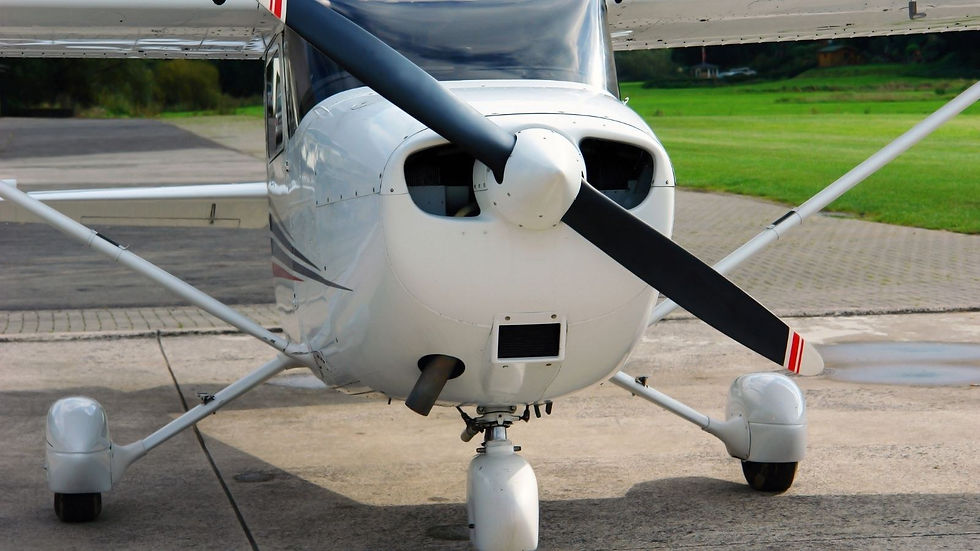
Yes, and that is good news, not a consolation prize. Learning in a piston trainer like a Cessna or a Piper teaches you the actual craft of flying. You learn to feel the airplane, to read the sky, to talk on the radio, to handle a go around when your landing is not working out, and to make a calm decision to turn back when the weather ahead looks worse than forecast.
Those are the transferable skills. Every certificated pilot, whether they end up flying a light sport airplane on weekends or something with electric motors decades from now, builds on the same foundation.
Stick and rudder skills. Controlling an aircraft smoothly in three dimensions.
Situational awareness. Knowing where you are, where the traffic is, and what the weather is doing.
Aeronautical decision making. The habit of asking what could go wrong and planning for it.
Communication. Working with air traffic control and other pilots clearly and calmly.
No manufacturer has found a shortcut around those. When people do eventually train in new aircraft, they will start from this same base. The pilot certificate you earn now is not a soon to be obsolete thing. It is the entry ticket to all of it.
Are pilots going to be out of a job?
This is the fear tucked inside every headline about automation and new aircraft. Let us be straight about it. Automation in aviation is not new. We have had autopilots for a long time, and modern airplanes are full of helpful technology. Yet the demand for skilled, well trained pilots has stayed strong.
New categories of aircraft tend to create new flying jobs, not erase old ones. Someone has to fly the demonstrations. Someone has to test, ferry, and eventually operate these machines. And every one of those someones starts exactly where you would start, with a private pilot certificate earned in a small airplane.
Every futuristic aircraft you have ever seen was flown first by a pilot who learned the basics in something small and simple.
Meanwhile, the flying most of our students dream about is not going anywhere. Loading up the family for a trip to the mountains. Flying yourself to a business meeting instead of losing a day to the interstate. Watching the sun come up over the Tennessee hills from a few thousand feet with nobody else in the sky. That experience is available to you right now, in aircraft that exist today.
What should someone starting out actually focus on?
Here is the honest advice we give the career changers, the teenagers with airline dreams, and the folks who just want to fly for fun on the weekends. Do not wait for the future. Learn to fly now.
Start with a discovery flight
The best way to find out if this is for you is to sit in the left seat and fly the airplane yourself, with an instructor right beside you handling the details. Most people are surprised by how quickly it starts to feel natural, and how much of the mystery falls away once they have actually done it.
Build the habit of flying regularly
The students who progress fastest are usually the ones who fly consistently rather than in scattered bursts. Two lessons a week will carry you further than one lesson a month, because less time is lost re learning what faded since your last flight. Whatever pace fits your life and budget, steadiness beats intensity.
Take ground school seriously
A lot of flying happens on the ground, in your understanding of weather, regulations, aerodynamics, and navigation. Pair your flight lessons with real study for the knowledge test, and your time in the airplane becomes far more productive.
Get your medical questions answered early
Most people who want to fly for fun or for a career will need a medical certificate from an FAA authorized examiner. Requirements and categories can change, so talk with your instructor early about which class fits your goals and confirm the current rules before you spend money. If you have a health question you are worried about, it is far better to ask up front than to be surprised later.
Why does starting in Middle Tennessee help?
We may be a little biased, but flight training out of Smyrna is a genuinely good place to learn. Middle Tennessee gives you a mix of conditions that make you a well rounded pilot. We get calm, clear mornings that are perfect for a first solo, and we get real weather that teaches you how to read a forecast and make smart go or no go calls. We have a towered field for practicing radio work and nearby quieter airports for pattern work, plus open practice areas and easy cross country routes in every direction.
That variety is exactly what turns a nervous beginner into a confident, capable pilot. And confidence built on real skill is what carries over to whatever you fly next, no matter how the aircraft of the future turn out to look.
So what is the takeaway?
Watch the eVTOL news and enjoy it. It is a genuinely exciting time in aviation, and it is a reminder of how much room there still is to dream. But do not let the future be a reason to keep your own flying stuck on the ground.
The aircraft will keep evolving. The pilot you become is the constant. Learn to fly now, in the airplanes we have today, and you will be ready for whatever comes next, whether that is a Saturday flight to lunch on the Cumberland Plateau or something with electric motors that has not been invented yet.
If your curiosity is nudging you, the next step is simple. Come out to Smyrna, sit in the airplane, and fly it for yourself. The rest tends to take care of itself.


